
Discover
About Moravian Tuscany
Moravian Tuscany (Moravské Toskánsko) is a unique geographical area in the Czech Republic that has captured the hearts of photographers and travelers worldwide.
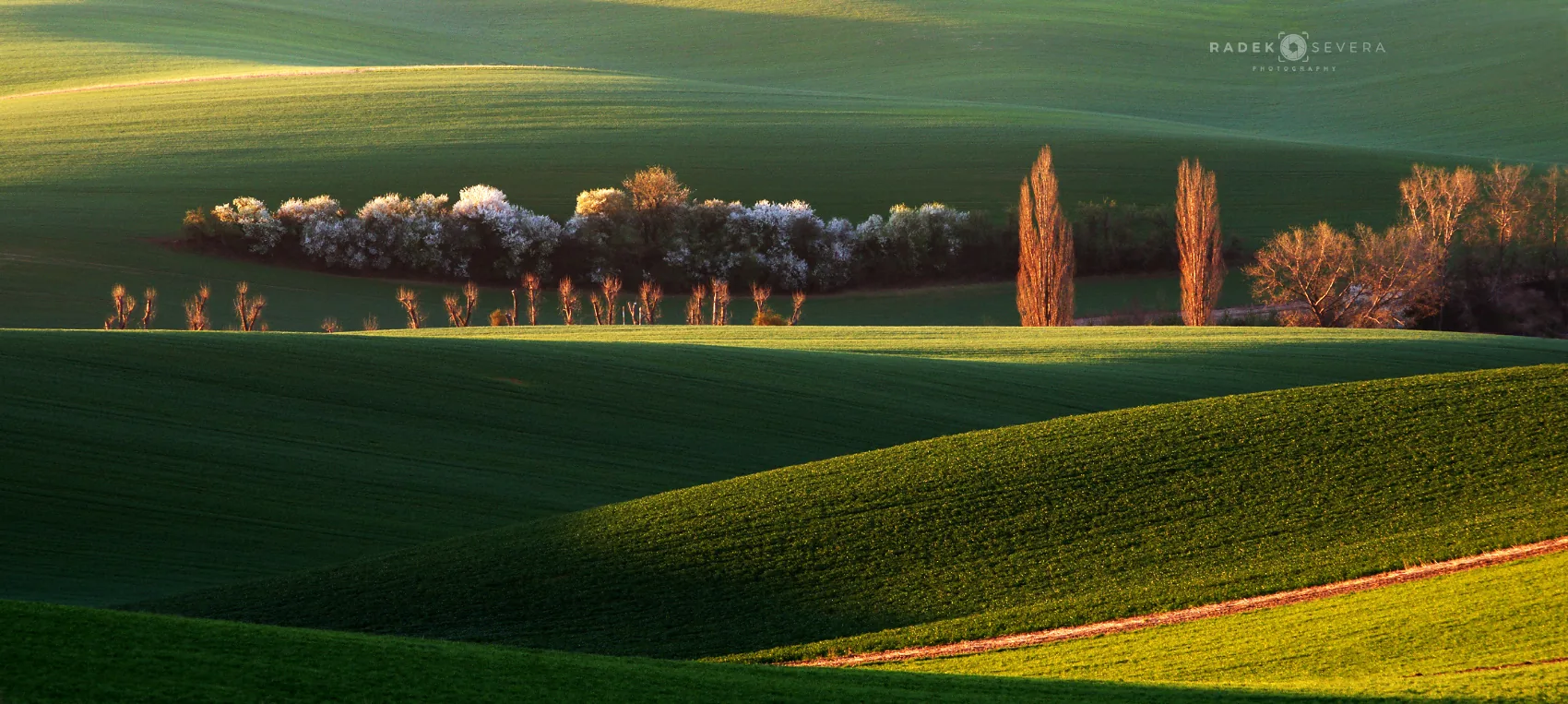
Whether you are planning a photography trip or a road trip through South Moravia, or you want to taste Moravian wine or enjoy outdoor activities, our guide offers all the curated information you need. Moravian Tuscany is a perfect getaway, located just a 2.5-hour car drive from Prague (or 3 hours by train or bus) and only 1.5 hours from Vienna (or with a fast 1-hour train connection). It is an ideal destination for those seeking to escape the city and immerse themselves in one of Europe’s most picturesque regions.
While the iconic ‘waves‘ and rolling hills gave this region its nickname (official name of this region is “Slovácko“), there is so much more to discover beyond the lens. This guide provides the foundation you need to explore our centuries-old winemaking heritage, vibrant folklore filled with ornate costumes, and the soulful sounds of cymbalom and brass music. Whether you are here to hike through the vineyards, cycle our scenic trails, visit majestic chateaus, or simply unwind in a local wellness spa, Moravian Tuscany invites you to experience the true heart of South Moravia.
Where is Moravian Tuscany located?
One of the most frequent questions travelers ask is: “Where is Moravian Tuscany?”
Moravian Tuscany is situated in the South Moravian Region of the Czech Republic, specifically in the district of Hodonín. It is a unique microregion centered around the town of Kyjov. The most iconic rolling hills, viewpoints and photo spots are found in the “heart” or “core” of Moravian Tuscany, between the villages of:
- Šardice
- Svatobořice-Mistřín
- Karlín
- Hovorany
- Strážovice
Beyond the immediate surroundings of these villages, many iconic and breathtaking spots lie just a few kilometers away. The beauty of Moravian Tuscany extends across the rolling landscape toward the famous wine-producing villages of
- Terezín
- Čejkovice
- Velké Bílovice
- Vrbice
- Borkovany
- Velké Pavlovice
- Násedlovice
- Nenkovice
- Stavěšice
- Strážovice
- Věteřov
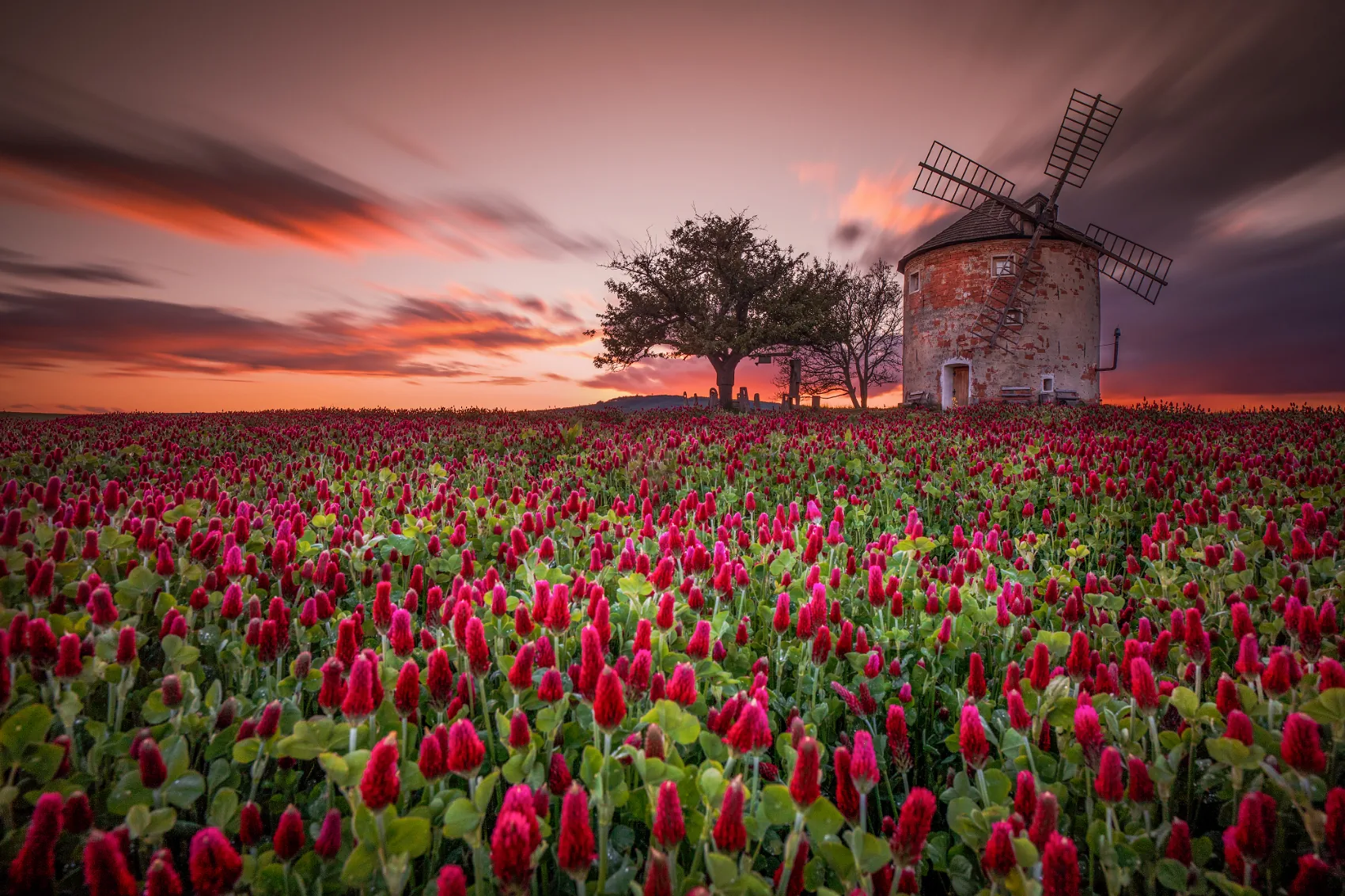
To the north, you can discover well-known windmills in Chvalkovice and Kunkovice. Each of these locations offers its own unique perspective on our world-famous vistas. Note that you can also enjoy other activities in all the villages mentioned – wine, food, outdoors, folklore, visiting castles and other landmarks.
How to get to Moravian Tuscany
For those traveling from major European hubs, the journey is surprisingly straightforward:
- Prague to Moravian Tuscany: Approximately 2.5 to 3 hours by car or bus via the D1 highway, 3 hours by a direct train
- Brno to Moravian Tuscany: A quick 45-minute drive (or by bus or train), making it a perfect day trip destination.
- Vienna to Moravian Tuscany: Just 1.5 hours north by car/bus, 1h by a direct train, ideal for international travelers exploring Central Europe.
Find more information about getting here and around.
The Best Time to Visit Moravian Tuscany for Photography
Deciding on the best time to visit depends on what you wish to experience. The landscape changes its “costume” dramatically throughout the year:
Spring (April–May)
Visual Highlight. Emerald green fields and blooming orchards, rapeseed fields blooming, red clover (the 2nd week in May)
Best For. Landscape photography, cycling/hiking, wine festivals, open wine cellars and folklore “hody” events begin, castles…
Summer (June–August)
Visual Highlight. Golden wheat fields and vibrant green vines, red poppies, sometimes also purple poppies, wild-flowers
Best For. Sunsets and long summer evenings, local folklore festivals/events/hody, wine/food events, outdoors, concerts, castles….
Autumn (Sept–Oct)
Visual Highlight. Colorful vines, grape harvest season, sometimes beautiful indian summer, morning mists, and stubble.
Best For. Wine tours, tasting and harvest/wine/folklore festivals (hody, vinobraní), outdoors, castles/landmarks…
Winter (Nov–March)
Visual Highlight. Minimalist snow patterns and frosted trees, terrain textures, deers. Snowy conditions are hard to predict.
Best For. Peace, serenity, and quiet vibes photography and walks, St. Martin Wine events (around Nov 11), wellness & spa…
Moravian Tuscany Photography Guide: Quick Tips
While we have a dedicated section for photography, every photographer should know that a telephoto lens (70–200mm or 100–400mm) is your most important tool here. The famous “waves” are a result of optical compression; from a distance, the hills appear to stack on top of each other, creating that famous rhythmic pattern.
If you are looking for a professional Moravian Tuscany photo tour, we recommend staying for at least two “golden hours” to catch the perfect light on the rolling hills. Having a reliable Moravian Tuscany map (or you can hire a guide) is essential, as many of the best photo spots are hidden away from the main roads. Always remember to respect private land or closed roads.
Wine, Culture, and Vineyard Trails
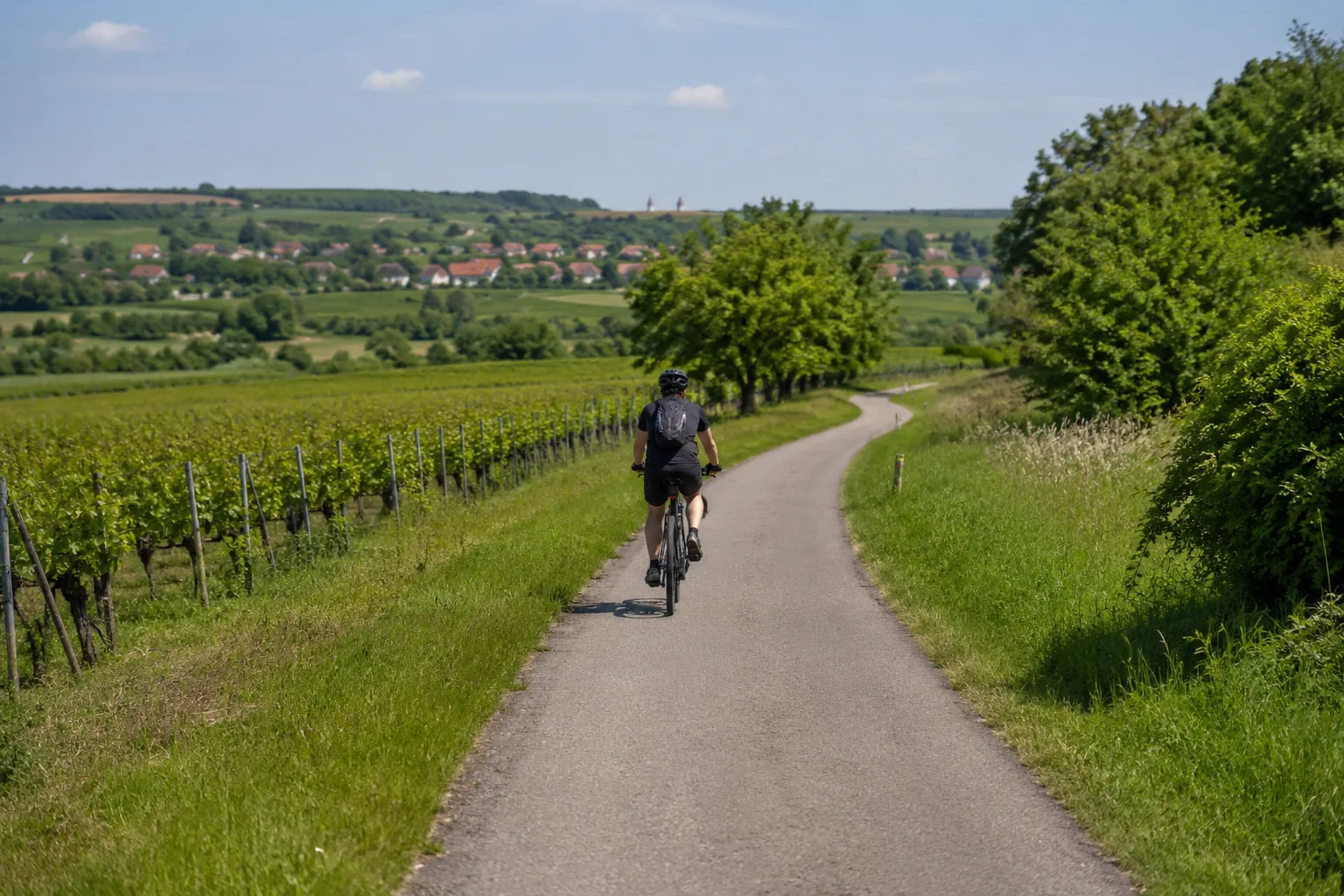
The Moravian Tuscany landscape and vineyards are more than just a pretty backdrop. They are functional agricultural lands that have been cultivated for centuries. The region is crisscrossed with wine trails that allow you to explore the area on foot or by bike, connecting one wine-producing village to the next. You can rent a bike/e-bike.
A typical wine tour in this area isn’t just about the drink… it’s about the “sklep” (cellar) culture. For detailed wine tasting experiences, we recommend visiting our local winemakers in villages. If you are wondering where to stay in Moravian Tuscany, the options range from cozy guesthouses directly above wine cellars to boutique hotels in the heart of Kyjov.
Practical Map Locations and Viewpoints
The best place to start your photography journey is the village of Šardice, which serves as the true ‘core’ of Moravian Tuscany. You will find the first breathtaking photo spots right on the outskirts of the village, just a short walk from the center. From this central point, all the most famous landmarks and iconic rolling hills are located within a convenient 10-kilometer radius, making it the perfect base for your exploration. Navigating some of the view points requires a bit of walking, as many of the best areas are located on paths between the fields where cars are not allowed. This restriction ensures our region remains so special.
Check our Map for more details.
7 Essential Tips for Your Visit
- Best Viewpoints: Start your journey in Šardice, the true heart of the region.
- Photography Gear: Bring a telephoto lens (70-400mm) to capture the landscape’s softness.
- Timing: Visit during the “golden hour” for the most dramatic shadows.
- Transport: Use a car or bike to reach hidden map locations between the fields.
- Local Events: Check the calendar for open wine cellars and folklore festivals.
- Local Wine: Visit local family wineries to taste the unique terroir of Moravian wines.
- Stay Flexible: Allow 2-4 days to account for unpredictable weather.
Frequently Asked Questions
1. How many days do I need?
It is worth noting that while Moravian Tuscany is officially the warmest region in the Czech Republic, the weather doesn’t always play along. Sometimes the sky remains clear when you are hoping for dramatic clouds to cast the shadows that define the ‘softness’ of our rolling hills. Other times, you might encounter rain or haze. To capture the landscape at its most poetic, patience is key – often, the most stunning light appears just as a storm is clearing or during the quiet stillness of a misty morning.
2. Is it accessible without a car?
While trains reach Kyjov, a car or bike is highly recommended to reach specific field locations and “waves” where public transport doesn’t go.
3. When is the best time to visit?
Late April to May for vibrant green fields and October for autumn vineyard colors. Both seasons offer the most iconic photographic conditions.
4. Are there any UNESCO sites nearby?
Yes. You can experience the Verbuňk dance (Intangible Heritage) locally, or take a short drive to the Lednice-Valtice Cultural Landscape (World Heritage site).
5. What should I taste locally?
Don’t miss our award-winning Moravian wines at family cellars and traditional local products like “přesňáky” (potato pancakes) or local honey.
6. Is it accessible without a car?
While buses and trains reach Kyjov, Hodonín or Čejč, having a car or a bike is highly recommended to reach the specific map locations in the open fields. Cycling is a very popular way to see the rolling landscape and wine trails and move between the “waves.” You can rent a bike/e-bike/car or hire a guide/driver.